In the rapidly changing sphere of healthcare, the importance of continuous training and education is invaluable. These components are instrumental in providing healthcare professionals with the necessary tools to ensure they deliver the highest quality of care to their patients. As medical technology, research, and treatment methods progress at an unprecedented pace, it becomes essential for healthcare professionals to remain informed and adept in the latest advancements. This article delves into the pivotal role of training and education in empowering healthcare professionals, demonstrating how these initiatives lead to improved patient outcomes and enhanced quality within the healthcare system.
Recognising the Essential Role of Continuous Training and Education for Healthcare Professionals
- Boosting Clinical Skills to Deliver Outstanding Patient Care: By offering ongoing training and educational opportunities, healthcare professionals can significantly enhance their clinical skills. This continuous learning journey ensures they remain current with the latest medical breakthroughs, treatment protocols, and innovative techniques. Active engagement in continuous training allows healthcare professionals to deepen their expertise, resulting in more precise diagnoses, effective treatment plans, and ultimately, improved patient care.
- Through tailored continuous training programmes, healthcare professionals immerse themselves in recent research findings, emerging medical technologies, and advanced treatment methodologies. Staying informed about these developments enables them to provide the most accurate and effective care possible for their patients.
- Additionally, continued education nurtures critical thinking skills, enabling healthcare professionals to thoroughly analyse complex medical cases and make informed decisions that substantially benefit patient health.
- By persistently refining their clinical skills, healthcare professionals can deliver personalised care that considers each patient’s distinct needs, preferences, and medical history.
- Keeping Up with Technological Advances in Healthcare: The healthcare sector is currently experiencing a transformative era, driven by swift technological progress. From electronic medical records to robotic-assisted surgeries, it is crucial for healthcare professionals to become adept at utilising these technologies to enhance patient outcomes. Comprehensive training and education programmes furnish healthcare professionals with the essential skills to navigate these advancements effectively.
- Healthcare professionals who receive thorough training in the latest medical technologies can leverage these tools to significantly elevate patient care. For instance, electronic medical records streamline documentation, facilitating swift access to critical patient data.
- Training in robotic-assisted surgeries empowers healthcare professionals to conduct minimally invasive procedures with heightened accuracy, leading to faster recovery and reduced complications for patients.
- By staying updated on technological innovations, healthcare professionals can seamlessly integrate these tools into their practice, ultimately enhancing patient outcomes and the overall efficiency of healthcare delivery.
- Prioritising Evidence-Based Practice in Clinical Environments for Superior Care: Evidence-based practice is fundamental to modern healthcare. Through dedicated training and education, healthcare professionals learn to critically evaluate research findings and implement evidence-based guidelines in their clinical practices. This methodology ensures that patient care is grounded in the best available evidence, significantly improving treatment outcomes while safeguarding patient safety.
- Training initiatives empower healthcare professionals with the skills to critically assess scientific research, enabling them to identify the most reliable and pertinent evidence for informed clinical decision-making.
- By embedding evidence-based guidelines into their practice, healthcare professionals can confirm that their treatment plans are strongly supported by scientific evidence, thereby reducing the risk of unnecessary interventions or ineffective treatments.
- Furthermore, education focused on evidence-based practices enhances healthcare professionals’ abilities to communicate effectively with patients regarding treatment options, clarifying the rationale behind their recommendations and fostering collaborative decision-making.
- Fostering Interdisciplinary Collaboration for Holistic Patient Care: The healthcare sector is inherently interdisciplinary, comprising a diverse range of professionals who work together to deliver comprehensive patient care. Training and educational programmes often emphasise the importance of collaboration among various healthcare disciplines, enabling professionals to communicate effectively, coordinate their efforts, and provide integrated care. This collaborative approach significantly enhances the overall healthcare experience for patients and optimises health outcomes.
- Interdisciplinary collaboration training equips healthcare professionals with the necessary tools to function cohesively in teams, fostering a patient-centric approach to care.
- Through collaborative learning experiences, healthcare professionals gain insights into the responsibilities and roles of various healthcare disciplines, facilitating effective communication and coordination.
- By collaborating effectively, healthcare professionals can pool their collective knowledge and expertise, resulting in more comprehensive and holistic care for patients, ultimately improving health outcomes.
- Adapting to Evolving Healthcare Policies and Regulations Through Ongoing Learning: The landscape of healthcare policies and regulations is in constant flux. Training and educational initiatives support healthcare professionals in keeping up with these changes, ensuring compliance and ethical practice. Moreover, these programmes equip professionals with the necessary knowledge to advocate for policy changes that can positively influence their patients and the broader healthcare system.
- Training initiatives provide healthcare professionals with access to crucial updates regarding healthcare policies and regulations, enabling them to modify their practice in accordance with the latest guidelines.
- By remaining informed about policy changes, healthcare professionals can ensure that their practice aligns with legal and ethical standards, thereby safeguarding patient rights and enhancing overall safety.
- Education focused on healthcare policies empowers healthcare professionals to engage in advocacy efforts, lobbying for policy changes that promote better patient outcomes, equity, and access to quality care.
Uncovering a Variety of Training and Education Opportunities for Healthcare Professionals
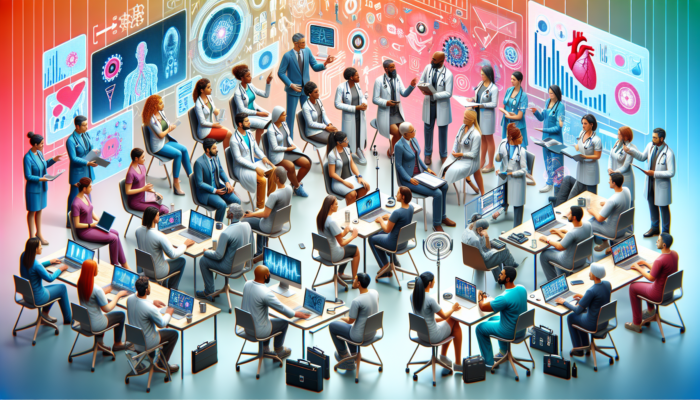
- Continuing Medical Education (CME) for Lifelong Learning and Professional Growth: CME programmes offer healthcare professionals ongoing learning opportunities to maintain and enhance their medical knowledge and skills. These programmes encompass various formats, including conferences, workshops, webinars, and online courses. CME credits are often a requirement for professional licensure renewal, ensuring that healthcare practitioners remain committed to lifelong learning.
- Conferences and workshops provide healthcare professionals with the chance to learn from industry experts, share knowledge and experiences, and stay abreast of the latest research and advancements pertinent to their fields.
- Webinars offer a convenient avenue for healthcare professionals to access educational content remotely, allowing them to learn at their own pace while accommodating their demanding schedules.
- Online courses deliver flexibility and accessibility, enabling healthcare professionals to engage in self-paced learning and earn certifications in their areas of specialisation.
- Specialty Certifications to Enhance Professional Expertise: Specialty certifications provide healthcare professionals with the chance to specialise further in specific areas of practice. These certifications signify a heightened level of expertise and can significantly improve career prospects. Examples include board certifications in fields such as cardiology, oncology, or pediatrics.
- Specialty certifications validate healthcare professionals’ expertise and competence in their respective fields, instilling confidence in both patients and colleagues.
- Certification programmes typically involve rigorous training and assessments, ensuring that certified professionals possess the necessary knowledge and skills to deliver specialised care effectively.
- By obtaining specialty certifications, healthcare professionals can expand their career opportunities, pursue leadership roles, and contribute significantly to the advancement of their fields.
- Residency and Fellowship Programmes for Comprehensive Advanced Training: Residency and fellowship programmes provide essential postgraduate training for healthcare professionals, allowing them to gain practical experience in their chosen specialties. These programmes offer mentorship, research opportunities, and a structured learning environment that fosters the development of advanced skills and knowledge.
- Residency programmes allow healthcare professionals to apply their theoretical knowledge in clinical settings under the supervision of experienced practitioners.
- Fellowship programmes provide additional training and specialisation in specific subspecialties or areas of interest, enabling healthcare professionals to become experts in their chosen fields.
- Through residency and fellowship programmes, healthcare professionals gain invaluable hands-on experience, refine their clinical skills, and engage in research activities that contribute to the advancement of medical knowledge.
- Leveraging Online Learning Platforms for Accessible and Flexible Education: The emergence of the internet has transformed access to training and educational resources for healthcare professionals. Online learning platforms offer a vast selection of courses, webinars, and materials accessible at any time from any location. These platforms typically provide certificates upon completion, adding substantial value to professional portfolios.
- Online learning platforms offer healthcare professionals a wide array of educational resources, covering a diverse range of subjects and specialisations.
- These platforms provide flexibility concerning learning pace and accessibility, enabling healthcare professionals to effectively balance their professional and personal commitments.
- Certificates obtained through online courses can serve as strong evidence of continuous learning and professional growth, thereby enhancing healthcare professionals’ credibility and competitive edge.
- Participating in Peer Learning and Collaborative Networks for Enhanced Professional Development: Peer learning and collaborative networks present opportunities for healthcare professionals to learn from each other’s experiences, exchange best practices, and seek guidance. These networks can be formal, such as professional associations and societies, or informal, such as online forums and social media groups. Engaging in peer learning nurtures professional development and broadens professional connections.
- Professional associations and societies provide healthcare professionals with opportunities to network with peers, engage in knowledge-sharing activities, and participate in professional development events.
- Online forums and social media groups cultivate virtual communities where healthcare professionals can ask questions, seek advice, and share insights and experiences.
- Peer learning fosters a culture of continuous improvement, empowering healthcare professionals to stay informed about emerging trends, innovative practices, and potential challenges within their field.
Exploring the Significant Impact of Training and Education on Patient Outcomes
- Enhancing Patient Safety Through Comprehensive Training: Healthcare professionals who receive extensive training and education are better equipped to identify and mitigate potential risks, leading to improved patient safety. They possess in-depth knowledge of infection control practices, medication safety protocols, and patient monitoring techniques. This comprehensive understanding reduces the likelihood of medical errors and adverse events, ultimately ensuring superior patient outcomes.
- Training programmes place a strong emphasis on patient safety principles and best practices, equipping healthcare professionals with the knowledge and skills required to prevent and effectively respond to adverse events.
- Education on infection control measures empowers healthcare professionals to implement strategies that significantly lower the risk of healthcare-associated infections, thereby protecting patient well-being.
- By remaining informed about medication safety protocols, healthcare professionals can minimise medication errors, such as incorrect dosages or adverse drug interactions, thus safeguarding patient safety and health.
- Improving Communication Skills for Enhanced Patient Engagement: Effective communication is vital for establishing trust and understanding between healthcare professionals and their patients. Training and education programmes frequently include workshops on communication skills, enabling healthcare professionals to devise effective strategies for patient engagement, informed consent, and shared decision-making. Enhanced communication leads to increased patient satisfaction and improved health outcomes.
- Communication skills training emphasises active listening, empathy, and clear expression, equipping healthcare professionals to build rapport with patients effectively.
- By honing effective communication strategies, healthcare professionals can ensure that patients are actively engaged in their care, leading to better adherence to treatment and overall satisfaction.
- Moreover, improved communication skills enable healthcare professionals to provide clear explanations regarding medical conditions, treatment options, and potential risks, empowering patients to make informed decisions about their healthcare.
- Delivering Superior Quality Care Through Ongoing Learning and Education: Healthcare professionals who engage in regular training and education are better positioned to provide high-quality care. They stay updated on the latest evidence-based practices, treatment guidelines, and best practices, translating their knowledge into improved clinical decision-making, personalised care plans, and enhanced patient outcomes.
- Training and education programmes furnish healthcare professionals with the knowledge and tools necessary to apply evidence-based practices in their clinical settings, ensuring that patients receive the most effective and appropriate care.
- By staying informed about updated treatment guidelines, healthcare professionals can make informed decisions regarding diagnostic tests, treatment options, and follow-up care, optimising patient outcomes.
- Education focused on best practices empowers healthcare professionals to continuously evaluate and refine their clinical processes, ensuring that patients receive care that meets the highest standards of quality and safety.
- Reducing Healthcare Costs Through Effective Practices and Innovations: Empowering healthcare professionals through comprehensive training and education can lead to substantial cost savings over time. By staying informed about the latest advancements and evidence-based practices, healthcare professionals can implement efficient treatment plans, thereby reducing unnecessary tests, procedures, and hospital readmissions. This not only enhances patient outcomes but also contributes to the sustainability of the overall healthcare system.
- Training programmes often emphasise cost-effective healthcare practices, guiding healthcare professionals to consider the value and appropriateness of diagnostic tests, treatments, and interventions.
- By adopting evidence-based practices, healthcare professionals can avoid unnecessary procedures and interventions that may incur healthcare costs without yielding substantial benefits for patients.
- Education on optimal healthcare resource utilisation promotes the efficient and appropriate use of resources, minimising waste and optimising resource allocation to areas that deliver the most value for patients.
In summary, the importance of training and education is paramount, as they empower healthcare professionals to deliver the highest standard of care possible to their patients. By enhancing clinical skills, adapting to technological advancements, promoting evidence-based practices, encouraging collaboration, adjusting to evolving policy landscapes, and committing to ongoing education, healthcare professionals can continually enhance their knowledge and skills. This dedication ultimately leads to improved patient safety, more effective communication, higher quality care, and reduced healthcare costs. Continuous investment in the education and training of healthcare professionals is essential to meet the ever-evolving demands of the healthcare landscape and to significantly improve patient outcomes.
Addressing Common Questions Regarding Training and Education in Healthcare
- What is the significance of training and education in healthcare?
- The significance of training and education in healthcare lies in their ability to enhance clinical skills, facilitate healthcare professionals in keeping pace with technological advancements, promote evidence-based practices, encourage interdisciplinary collaboration, and empower professionals to adapt to changing healthcare policies. Collectively, these factors contribute to improved patient outcomes and high-quality care delivery.
- What types of training and education opportunities are available for healthcare professionals?
- Healthcare professionals have access to a variety of training and education opportunities, including continuing medical education (CME) programmes, specialty certifications, residency and fellowship programmes, online learning platforms, and peer learning and collaborative networks. These opportunities foster ongoing learning, specialisation, practical experience, and access to resources that enhance professionals’ knowledge and skills.
- In what ways does training and education affect patient outcomes?
- Training and education positively influence patient outcomes by enhancing patient safety, improving communication skills, delivering higher quality care, and reducing healthcare costs. Well-trained healthcare professionals can identify and mitigate risks, communicate effectively with patients, make informed clinical decisions, and implement evidence-based practices, all of which lead to improved treatment outcomes and patient satisfaction.
- Why is it essential to invest continuously in education and training for healthcare professionals?
- Continuous investment in education and training is crucial for healthcare professionals due to the ever-evolving nature of the healthcare landscape. Ongoing learning and skill development ensure that professionals remain informed about the latest advancements, research, and best practices in their fields. This knowledge empowers healthcare professionals to provide optimal care to patients, adapt to changes in healthcare policies, and contribute to the overall enhancement of patient outcomes.
Originally posted 2023-04-13 07:00:20.
The post Regulatory Compliance Training for Healthcare Professionals appeared first on Healthcare Marketing Service.